

1·
14 days agojust try to build a module with clang for a kernel build with GCC
I did just now, and it worked fine.
just try to build a module with clang for a kernel build with GCC
I did just now, and it worked fine.
You can’t load modules built with a different compiler.
Sure you can. There’s even multiple guides for how to write C++ kernel modules, which inherently is going to use a different compiler than what was used for the kernel itself. BOSS Linux even writes C++ kernel modules.
if you want to use a module wrote in rust you also need to have built in the rust support in the kernel
Only if the module uses rust-specific interfaces in the kernel, otherwise it can be assembled into a .ko to have plain C-style symbols loaded by the kernel like normal.
you need to build the kernel with clang to build the kernel with the rust support
I believe this statement is incompatible with how C works. The kernel can load modules written in any language as long as it outputs a .ko, so there can be no technical requirement for building the rest of the kernel itself with clang.
it is not the default
If someone makes a Rust-free fork, please name it Stainless.
IDK but I have a lot of issues with that list anyway… they seem to have a strange definition of “permissive AI policy”, i.e. any mere mention of an AI service gets you on the list.
Example: OpenBSD and NetBSD both show as “permissive” on the list, even though both have publicly stated otherwise, just because there are one or two commits where someone (prominent dev) commented something like “I had help from Claude but you can’t tell, and I personally vouch for this and I know what I’m doing.”
Thankfully modern browsers use Certificate Transparency, and there’s no indication that any compromised certs were actually used publicly.
However, there are many devices that use TLS which are not browsers, and those devices could in theory be selectively targeted with an evil cert without alerting the public CT servers.
I think the hivemind has already spoken, they are taking this to mean that the kernel is now vibe-coded and people are actively jumping ship.

They actually do move… cities/towns/place names expand and contract, and incorporate and unincorporate all the time… it’s a huge pain in the ass for our system at work. Some place names are also 100% made up by the USPS and only used by them, and guess what, you still gotta support it. Even the professional paid databases don’t contain every possible place name people use.
And my comment was more about geocoding of exact addresses, not whole cities.
I could never imagine dropping $7k on a laptop
I just want an easy-to-use, offline geocoder (mainly address to latlon but reverse would be cool too) that doesn’t require terabytes of space, hundreds of gigabytes of RAM, and days to process. Handheld GPS units were doing this with only a few GB decades ago.
Why does this seemingly not exist as a FOSS project in $current_year?
I don’t consider that even a threat of LLMs, just humans being human.
Just like we don’t blame video games for violence.
Would be nice to not have to deal with terabyte+ PostGIS database shenanigans that take days to build and hundreds of GB of RAM. Looking forward to US coverage and easy updates (or local rebuilds). Will you be directly ingesting TIGER/Line shapefiles?
Thanks!
As a rule, strong feelings about issues do not emerge from deep understanding.
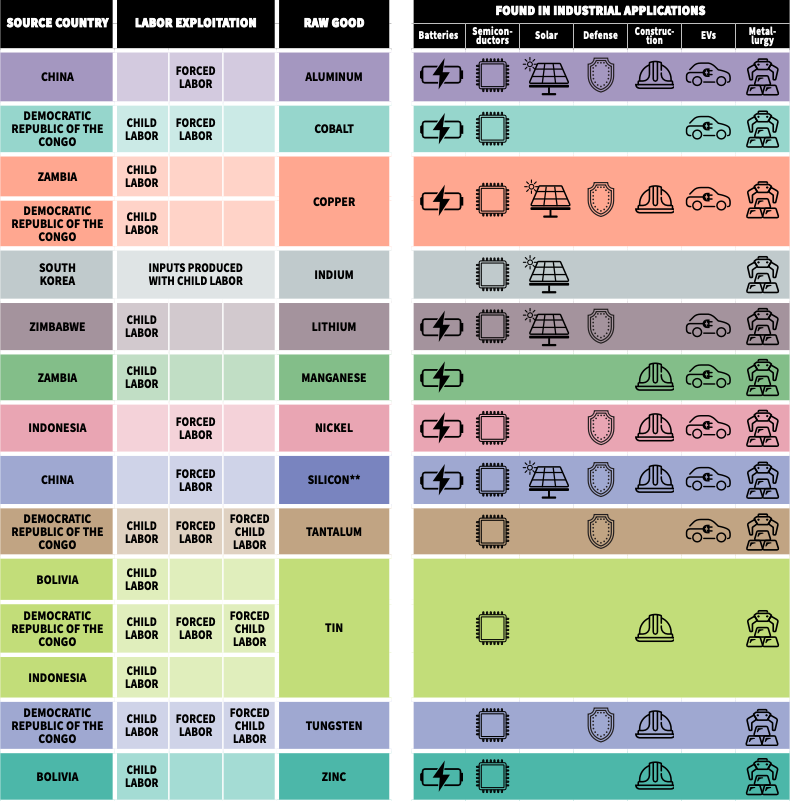
If we’re playing the altruism olympics game, everyone is already throwing stones in a glass house as it is, because virtually all electronics and batteries on Earth are made from materials mined by forced/child labor.
open-slopware calls OpenBSD having a “Permissive AI Policy” and links to this commit as evidence.

Thank you! This is huge and more people need to know about. Geocoding has been way too difficult for way too long.
Also, is there a guide or tools available for generating the .bin files ourselves?